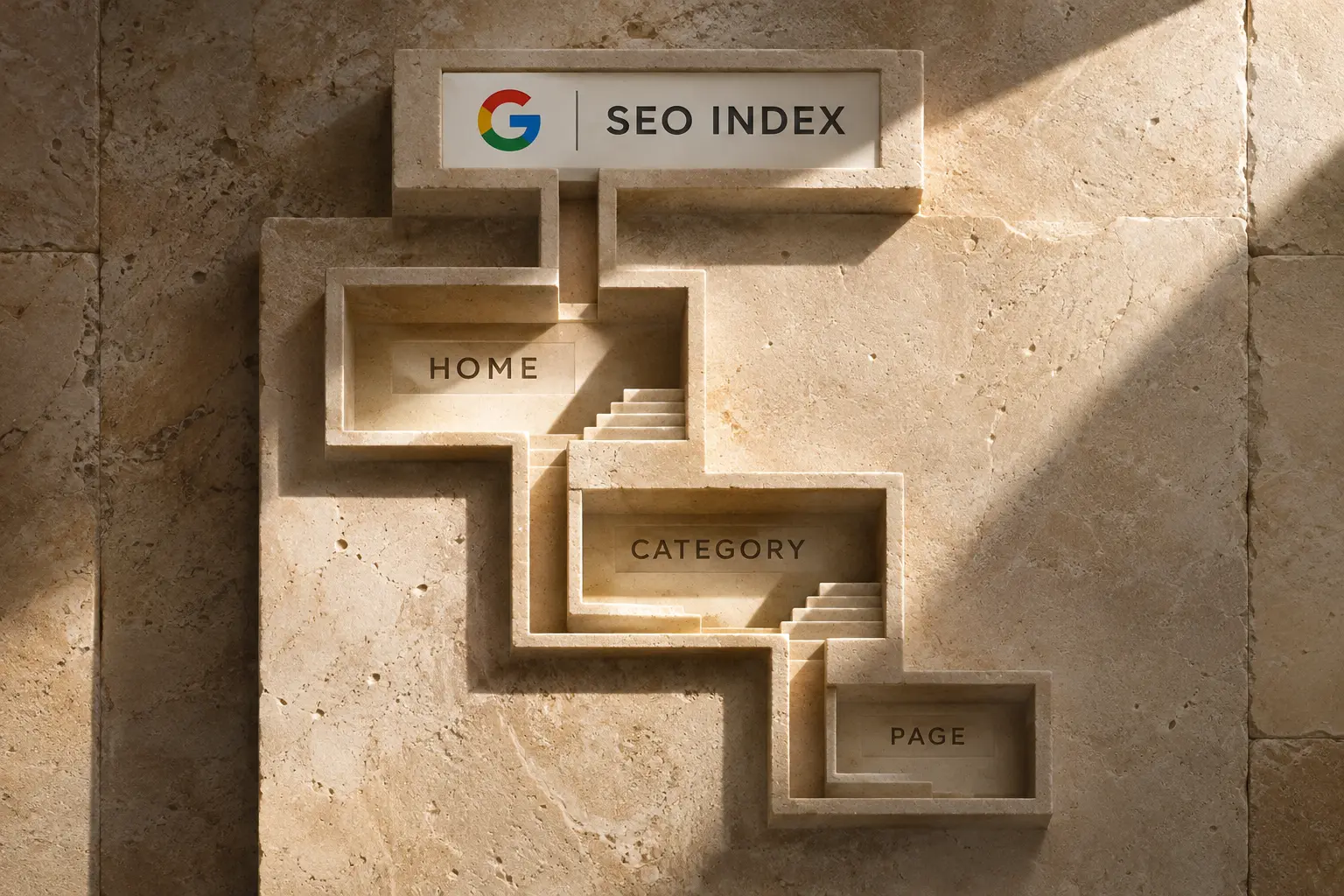
Make the subject and purpose unambiguous
A useful page identifies the business, service or topic early and answers a real question directly. Use descriptive headings, precise terminology and natural internal links to related material. Avoid forcing the same phrase into every paragraph.
- Explain who the information is for and what problem it addresses.
- Define specialised terms where a reader may need clarification.
- Keep the main answer visible rather than hiding it behind vague introductions.
- Separate facts, opinion, examples and promotional claims.
Keep entity information consistent
A business should be described consistently across its own site and relevant public profiles. Names, addresses, contact details, services and organisational relationships should not contradict one another without explanation.
- Use the real business name and accurate branch or service-area details.
- Connect author, organisation and service pages with meaningful internal links.
- Correct outdated profiles and duplicated information where you control them.
- Use structured data only when it matches visible content and the applicable documentation.
Provide evidence a reader can assess
Specific, verifiable information is more useful than unsupported superlatives. Cite original sources for external claims, date observations and preserve caveats. A screenshot or single answer can document one moment, but it does not establish a stable ranking.
Remove technical access barriers
- Allow appropriate crawling and indexing in line with your publishing goals.
- Use semantic HTML, descriptive page titles and a logical heading hierarchy.
- Make important content available in the page itself rather than only inside images or interactions.
- Maintain accurate canonical links, internal links and multilingual alternate relationships.
- Check mobile usability, image alternatives and performance with real measurements.
Measure without overclaiming
Review search performance, qualified enquiries and a documented sample of relevant AI answers where useful. Record the prompt, language, location context, date and full response. Different sessions can produce different answers, so avoid turning one observation into a general visibility claim.
Official and reference links